
"Kenyan coffee farmers"
1000 article(s) found

The origin of Kenyan coffee beans the flavor of Kenyan coffee
Kenyan Coffee-an atlas of Kenyan coffee of origin entered Kenya in the 19th century, when Ethiopian coffee drinks were imported to Kenya through southern Yemen. But it was not until the early 20th century that the bourbon was introduced by the St. Austen Mission (St.AustinMission). Kenyan coffee is mostly grown at an altitude of 1500Murray 2100 meters, with two harvests in a year.

Introduction to the method of flavor description and taste treatment for grinding scale production of Kenyan coffee beans
There are two types of coffee farms in Kenya. One is a large plantation that covers an area of more than five acres, but the average elevation is low. In the case of Kenyan coffee, the coffee beans of the large farms are of medium quality. The best Kenyan beans come from small farms, most of which are located in the foothills or volcanic slopes above 5,000 to 6,000 feet. Each small farmer has a capacity of only 20 to 70 bags per season.

Rich aroma of Kenyan boutique coffee flavor and taste characteristics of Kenyan coffee
Kenya there are two types of coffee farms in Kenya. One is a large plantation covering an area of more than five acres, but the average elevation is low. In the case of Kenyan Coffee, the coffee beans of the large farms are of medium quality. The best Kenya beans are produced in small farms, most of which are located in the foothills or volcanic slopes above 5,000 to 6,000 feet. Each small farmer has a capacity of only 20 to 70 bags per season.

Characteristics of Kenyan coffee beans Kenyan coffee producing areas
It entered Kenya in the 19th century, when Ethiopian coffee drinks were imported into Kenya through southern Yemen. But it was not until the early 20th century that the bourbon was introduced by the St. Austen Mission (St.AustinMission). Kenyan coffee is mostly grown at an altitude of 1500m, 2100m, and is harvested twice a year. To ensure that only ripe berries are picked, people must be in the forest

Brewing techniques for describing the taste characteristics of Kenyan coffee AA
The coffee industry in Kenya is changing. Mung bean buyers here are used to working with large estates and large cooperatives-some of which have as many as 12000 members. But lax regulations allow forward-thinking Kenyan producers to create a new model: micro-cooperatives. By bundling groups together, farmers can build relationships with buyers and emphasize cup scores.

African Kenyan boutique coffee beans, boutique coffee Kenyan coffee from Ethiopia
Kenyan coffee is mostly grown at 15002100 meters above sea level and is harvested twice a year. Its main feature is a distinct fruit aroma, the common fruit aroma is citrus. Kenyan coffee has a multi-layered taste and juice acidity, perfect grapefruit and wine flavor, moderate mellow, is the favorite of many people in the coffee industry. Kenyan Coffee borrows Hollywood movies.

Kenyan coffee beans | History of Kenyan coffee the Kenyan coffee market
Professional coffee knowledge exchange more coffee bean information please follow the coffee workshop (Wechat official account cafe_style) Kenyan coffee history and market although close to Ethiopia, coffee cultivation did not begin until the end of the 19th century, some sources believe that it is the Roman Catholic priest (Holy Spirit Father), while others think that coffee was introduced into Kenya through British colonists.

Where does Kenyan Coffee AA come from? introduction to the taste treatment method of flavor description in the region of Kenyan coffee
Kenya coffee AA from where the manor region flavor description taste treatment method do not underestimate Kenya's small farmers, they are the same ant soldiers, the overall production capacity is higher than large farms, about 6: 4, which is very rare in bean-producing countries. Kenyan coffee is widely appreciated by connoisseurs, thanks in large part to small farmers guarding the foothills and producing high-quality coffee. In addition, Kenya beans must be strict.

The characteristics of Kenyan coffee beans the practice of Kenyan coffee beans
It entered Kenya in the 19th century, when Ethiopian coffee drinks were imported into Kenya through southern Yemen. But it was not until the early 20th century that the bourbon was introduced by the St. Austen Mission (St.AustinMission). Kenyan coffee is mostly grown at an altitude of 1500m, 2100m, and is harvested twice a year. To ensure that only ripe berries are picked, people must be in the forest

What is Kenya PB round beans? Kenyan coffee grades PB and AA coffee beans taste and flavor differences
Professional Coffee knowledge Exchange for more information on coffee beans, please refer to Coffee Workshop (Wechat official account cafe_style) 01 | basic information Kenya Neri Chiamma pearl round beans KenyaNeyriIchamamaPeaberry country Kenya (Kenya)

Introduction to the varieties of fruit-flavored Kenyan coffee beans produced in the manor by grinding scale treatment
There are two types of coffee farms in Kenya. One is a large plantation that covers an area of more than five acres, but the average elevation is low. In the case of Kenyan coffee, the coffee beans of the large farms are of medium quality. The best Kenyan beans come from small farms, most of which are located in the foothills or volcanic slopes above 5,000 to 6,000 feet. Each small farmer has a capacity of only 20 to 70 bags per season.

Introduction to the treatment methods of Kenyan boutique coffee
Don't underestimate the small farmers in Kenya, they are just like ants, and their overall production capacity is higher than that of large farms, about six to four, which is quite rare in bean-producing countries. Kenyan coffee is widely appreciated by connoisseurs, thanks in large part to small farmers guarding the foothills and producing high-quality coffee. In addition, Kenya beans must have a strict grading system, according to the size of the coffee beans taken out by the washing plant.

Kenyan coffee beans introduce the characteristics of Kenyan coffee beans Kenyan coffee bean flavor
Kenya AA, round beans, thick flesh, good heat permeability, high precision, French baking, rich and sweet taste, mellow thickness, good expansibility, aroma and sweetness are top grade. People in the coffee industry all think that Kenyan coffee is one of its favorite products because Kenyan coffee contains every feeling we want from a good cup of coffee. It has
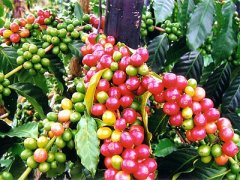
Introduction of boutique coffee beans-- African Kenyan coffee beans Kenyan coffee characteristics Kenyan coffee
African Kenyan coffee Kenyan coffee is mostly grown at an altitude of 15002100 meters and is harvested twice a year. Its main feature is a distinct fruit aroma, the common fruit aroma is citrus. Kenyan coffee has a multi-layered taste and juice acidity, perfect grapefruit and wine flavor, moderate mellow, is the favorite of many people in the coffee industry. Ken
The characteristics of Kenyan coffee beans: a brief introduction to the price of Yega snow caffeine
It entered Kenya in the 19th century, when Ethiopian coffee drinks were imported into Kenya through southern Yemen. But it was not until the early 20th century that the bourbon was introduced by the St. Austen Mission (St.AustinMission). Kenyan coffee is mostly grown at an altitude of 1500m, 2100m, and is harvested twice a year. To ensure that only ripe berries are picked, people must be in the forest

Kenyan Coffee introduction
Kenyan coffee is mostly grown at an altitude of 1500m, 2100m, and is harvested twice a year. Its main feature is a distinct fruit aroma, the common fruit aroma is citrus. Kenyan coffee has a multi-layered taste and juice acidity, perfect grapefruit and wine flavor, moderate mellow, is the favorite of many people in the coffee industry. Kenya Coffee borrows Hollywood movies

Kenyan Coffee with Fruit Flavor introduction to Berman Manor
Aromatic, full-bodied, with fruit flavor, taste rich and perfect. Kenyan coffee has a wonderful fruit flavor, with a BlackBerry and grapefruit flavor, is the love of many coffee gluttons. This coffee has an excellent medium purity, crisp and refreshing taste. It has a fresh flavor and is suitable for drinking iced coffee in summer. When tasting this coffee, if it is served with grapefruit

Kenyan AA Top Chiandu Cooperative Kenyan Coffee characteristics Kenyan coffee suitable for hand brewing
Professional coffee knowledge exchange more coffee bean information please follow the coffee workshop (Wechat official account cafe_style) Kenya AA Top Qiandu Cooperative Kenya AA Top Kiandu netizens word-of-mouth evaluation production area: Nyeri Nieli varieties: SL 28 and SL 34 raw bean treatment: washing fermentation, African elevated Sun Manor record: 2008 Japan Ka Ka Wei Fang Shuk Mika
How much is a kilo of Kenyan coffee beans? Kenyan coffee mouth
Kenyan Coffee Editor Kenyan coffee is mostly grown at an altitude of 1500 Murray 2100 meters above sea level and is harvested twice a year. Its main feature is a distinct fruit aroma, the common fruit aroma is citrus. Kenyan coffee has a multi-layered taste and juice acidity, perfect grapefruit and wine flavor, moderate mellow, is the favorite of many people in the coffee industry. Kenya

Introduction to the planting environment of Kenyan boutique coffee bean manor with delicious and slightly alcoholic aroma
There are two types of coffee farms in Kenya. One is a large plantation that covers an area of more than five acres, but the average elevation is low. In the case of Kenyan coffee, the coffee beans of the large farms are of medium quality. The best Kenyan beans come from small farms, most of which are located in the foothills or volcanic slopes above 5,000 to 6,000 feet. Each small farmer has a capacity of only 20 to 70 bags per season.